The FIFA Gold Rush That Wasn’t: Why Miami Hosts Must Trust Data Over Hype
When Airbnb hosts began discussing the 2026 FIFA World Cup in the summer of 2025, the air was buzzing with speculative excitement. The prevailing narrative promised sky-high rates and international fans fighting for listings. Social media influencers guaranteed that a single month of soccer bookings could cover a host’s entire annual mortgage. Ads guaranteed a $15,000 windfall for the 30-day tournament window.
And desperation has spread across the STR market instead.
“Why am I not booked for FIFA yet?” has become the defining question across local channels we hear in, host meetups, on Facebook, and in private conversations. Even local media has taken notice. During a recent CBS 4 interview about the sluggish pace of South Florida FIFA bookings, the reporter put the question directly to us: "Hotels are not showing the bookings they expected." Airbnb hosts are saying the same. What is your experience?
The truth is, many top-ranked listings, including our own, are not sold out for the tournament. But unlike the hosts currently slashing rates in a panic, a data-driven analysis of the Miami market reveals that this booking behavior is exactly what one would expect.
The hype surrounding global mega-events often blinds operators to local booking behaviors. In Miami, demand materializes at the last minute.
Consider the shifts in our guests' behavior over the last year. In 2025, the average booking window for our local listings during this same period was 25.4 days. Today, that window has shrunk by more than 60% to just 9.8 days. Furthermore, in the first half of 2026, fewer than 5% of total bookings were secured more than 28 days in advance.
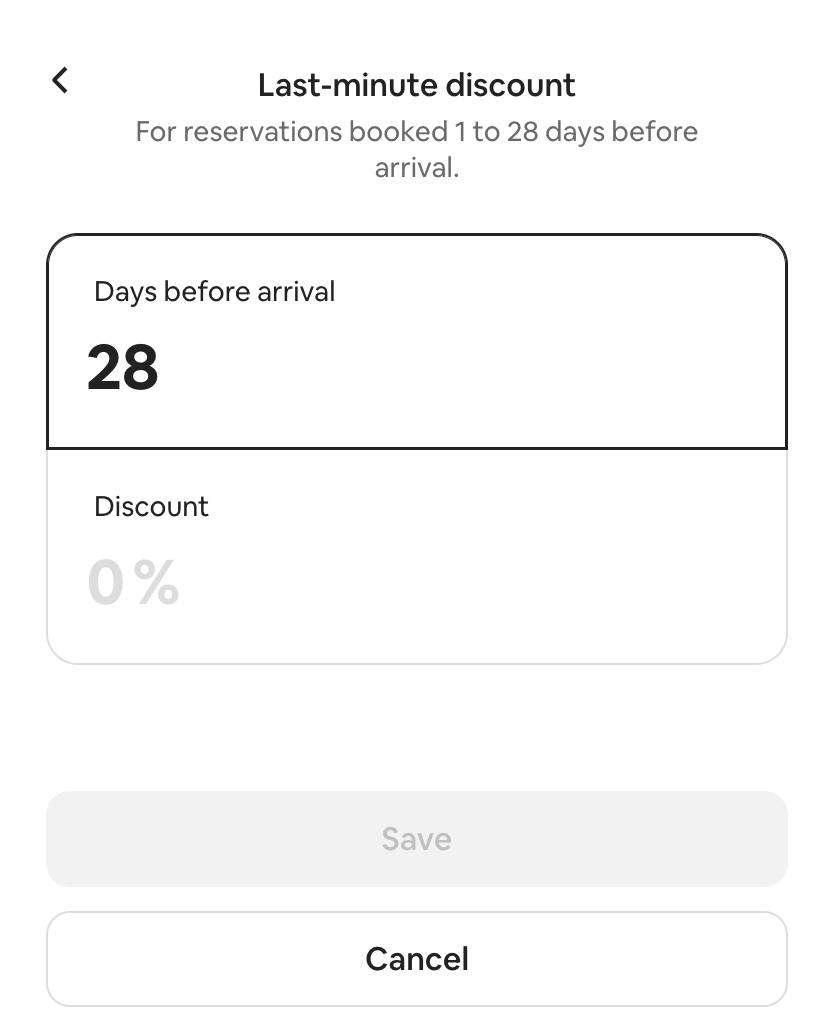
Operators who use traditional pricing and set aggressive discounts weeks before an event are essentially throwing away revenue. If our short-term rental company followed the standard last-minute discounts a 28 days out, we would have lost money on 95% of our bookings this year.
The strategy needs to adapt to the data, not the panic. A booking secured on June 3rd for a June 12th check-in illustrates this trend: despite the narrow 9-day window, the finalized average daily rate beat last year’s revenue by 30%, outperforming the current Miami market average for comparable properties by 8%.
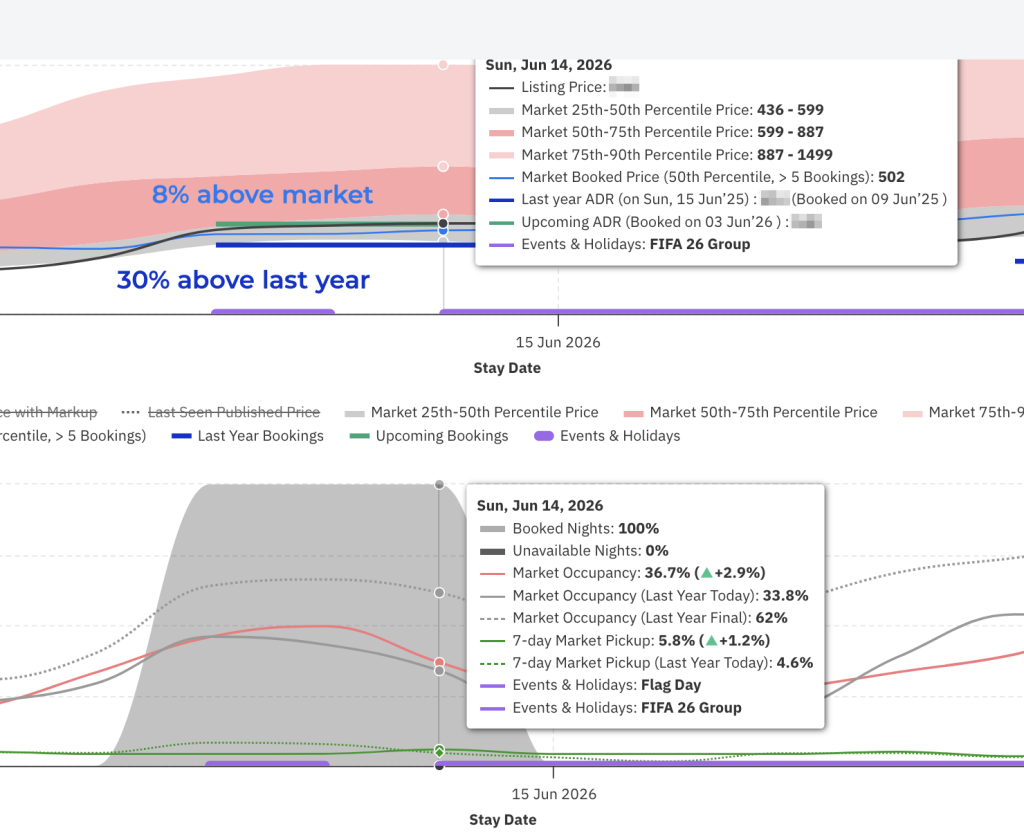
The early matches, such as the Saudi Arabia versus Uruguay fixture, were never going to see record occupancy or rates. In our FIFA webinar, Kyle from Pricelabs showed us data indicating that the opening weeks would mimic normal seasonal baselines. The true high-yield demand lies further down the calendar in the July knockout stages.
Panic pricing is a symptom of operating on sentiment rather than analytics. Before touching baseline nightly rates, experienced hosts adjust secondary levers: shortening minimum-stay requirements, tightening cancellation policies, and utilizing targeted platform promotions. Over one-eighth of our short-term rental guests this year have booked as same-day check-ins. The demand is coming, but it is arriving on its own schedule.
The FIFA World Cup will bring an arrival of international travelers to Miami. But excelling in a crowded marketplace requires more than optimism; it requires an understanding of real-time market data. The tournament hasn't failed the hosts; the hosts simply failed to read the timeline.