When the Power Fails but the Vacation Continues: Hosting Through Minor Storms
First, the data: NOAA’s official outlook predicts a 55% chance of a below-normal hurricane season. That is a welcome stat, but as a Florida short-term rental host, you know numbers don't protect your property. It only takes one localized system to knock out your power, cause local flooding, and interrupt your business.
While this series focuses on major hurricanes, the operational logic applies to any regional natural disaster. The best time to prepare your property, including trimming trees back from your roofline and clearing your downspouts, was this spring. The second-best time is today.
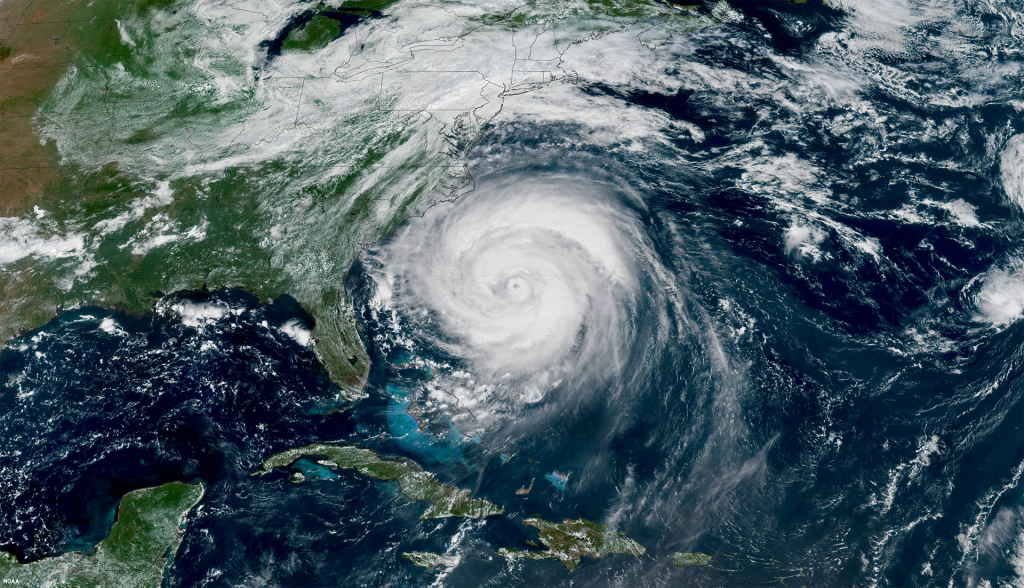
After 30 years in South Florida, my wife and I learned that surviving storm season as a host is very different from managing it as a homeowner. You aren't just prepping a building; you are managing terrified out-of-town guests who mistake a basic "Tropical Storm Watch" for the worst storm of the century.
We will have storms this summer. And even minor tropical systems bring heavy downpours, localized street flooding, and brief power outages. To protect your reviews and your sanity, you must execute a three-phase operational blueprint long before the grid goes dark.
Phase 1: The Pre-Arrival De-Escalation
Your work begins days before the first raindrop hits. Out-of-town guests often panic because of sensationalized news. Your job is to utilize level-headed data to protect your cancellation policy.
To run a data-driven business, you need unbiased forecasting. The local news is designed to sell advertising through fear. Skip it. While the NOAA Hurricane Center is the gold standard for macro tracking, my preferred hyper-local source is Tropical Updates, run by Matt. He is a physician, farmer, and fisherman who provides no-hype forecasting to help you make logical operational decisions.
Once you confirm the storm is a minor, non-evacuation event, send your upcoming guests this exact script to establish reality and set expectations for post-storm protocols:
"We are tracking the upcoming tropical weather system. Our property is built to some of the strictest building codes in the country for these routine South Florida summer events, and local airports remain fully operational. While you should expect a rainy weekend and potential brief power blips, our standard cancellation policy remains in effect. We have provided backup solar lighting and emergency amenities in the property. Once the weather clears, our local team will briefly come by the property to inspect the exterior and ensure your safety, and we are on standby to ensure your stay is comfortable."
Phase 2: The Grid-Failure Protocol
When a routine summer storm interrupts the local power grid, your operations shouldn't grind to a halt. In a non-evacuation scenario, your goal is to maintain guest comfort, safety, and communication without utility power.
The Proactive Defense: Whole-House Surge Protection
Grid resilience starts at the breaker panel long before the wind blows. When a minor tropical system passes, and the grid attempts to cycle back on, the lines experience volatile voltage spikes.
We installed panel-mounted whole-house surge protectors at all of our properties. By shunting excess energy safely into the ground, these devices protect fragile, expensive smart systems—like HVAC mini-splits, smart TVs, and kitchen appliances—preventing a utility blip from turning into a costly maintenance emergency.
Plan Ahead: Ambient Off-Grid Lighting
Darkness triggers immediate panic in out-of-town guests. Never count on them to fumble through drawers for flashlights, and strictly ban candles to eliminate fire hazards. We provide solar-powered emergency lights in every bedroom for our guests.
- Solar Perimeter Lighting: Line all exterior walkways, pool decks, and entry points with high-quality solar lights so guests can safely navigate the exterior if the neighborhood goes black.
- Automatic Power-Failure LEDs: Install plug-in emergency LED lights in central hallways. They remain off while the outlet is live, but illuminate automatically the second the circuit loses power, providing instant pathway lighting.
Clear Communication During an Outage
A Miami short-term rental can turn into an oven within hours during July. To protect your property, your reviews, and your sanity, you must explicitly direct your guests through a temporary grid failure via your digital guidebook or a house placard.
Enforce these five rules:
- The AC & Humidity Lockdown: Instruct guests to keep all windows, blinds, and doors completely sealed the second the AC cuts out. This traps the residual cool air and keeps tropical humidity out, preventing post-storm mold growth.
- The Refrigerator Rule: An unopened refrigerator keeps food safe for only four hours. Instruct guests to keep the doors closed until power is restored.
- The Grid-Survival Amenities: Stock the pantry with a dedicated first-aid kit and a manual can opener. Keep a high-quality cooler in the closet, and permanently store a pre-frozen, commercial-sized ice pack in the back of the freezer to act as a thermal ballast.
- The "No Candles" Mandate: Enforce a strict ban on open flames. Provide dedicated, rechargeable solar lamps in common areas for illumination.
- The Smart Lock Contingency: Never rely on the cloud during a storm. Ensure your digital locks are configured with offline mesh codes, or maintain a physical master key inside a backup mechanical lockbox so guest access doesn't fail when the Wi-Fi drops.
The Outage Dispatch Script
The moment the power drops, push this exact checklist to your active guests to anchor their expectations and guide them through the outage:
"The local power grid is currently experiencing a temporary outage due to the weather. We have reported the outage, and Florida utility crews are already working on restoration. Please follow these quick steps to stay comfortable and protect your food:
- Windows & Doors: Keep all windows, blinds, and doors completely closed to trap the cool air inside the house.
- Refrigerator: Keep the refrigerator door closed. If the outage lasts longer than two hours, retrieve the large frozen ice pack from the freezer and move your essential perishables into the cooler located in the closet.
- Lighting: Use the provided solar-powered lamps for illumination. Open flames and candles are strictly prohibited for fire safety.
We are actively tracking the utility restoration timeline and will update you the moment the grid is back online."
By treating a minor power failure as a routine logistical step rather than a crisis, you de-escalate guest anxiety and protect your asset before the grid goes dark.
Phase 3: The 24-Hour Post-Storm Audit
Minor storms don't rip roofs off, but they cause insidious damage that can ruin your next booking. The moment the weather clears, you or your local co-host must run a rapid-response physical inspection, which also serves as your safety check on the guests currently in the house:
- The Gutter and Pool Drain Check: Clear fallen palm fronds and debris immediately. Clogged drains cause rapid, localized pooling that can seep right under sliding glass doors.
- The AC Condensate Line: Heavy tropical downpours and sudden spikes in humidity can overload older AC systems. Check the condensate lines to ensure they aren't backed up and leaking into your ceilings or floors.
- The Tech Re-Sync: Power surges knock automated smart homes offline. Physically power-cycle your router so your smart locks, exterior cameras, and noise monitors re-sync before the next guest arrives at check-in.
Essential Emergency Resources
Bookmark these official websites to monitor up-to-the-minute data and verify county directives:
- National Weather Service Tropical Training Week: FTTW26 (Review recommended tropical readiness, preparedness, response, and recovery actions) HT @Jana from STR Collab Hub - Palm Beach County.
- No-hype Forecasts: Tropical Updates (Best place online to get hurricane information from a Florida local).
In our next post, we will tackle the real friction: what to do when a major storm triggers the "Vacation Weather Panic," how to handle cancellation panics, and the exact protocol for executing a mandatory evacuation.